 Phenom Home Solutions
Heat pumps, heating and cooling in North Bay
Cold-climate heat pumps, furnaces, air conditioning and water heaters, designed and installed for Northern Ontario homes.
How a heat pump works
A heat pump doesn't create heat the way electric baseboards do. It moves heat from one place to another, the same way your fridge moves heat out of its interior.
In winter: heating
The system extracts heat energy from the outdoor air and transfers it into your home. Even when it's very cold outside, the air still holds heat energy. The cold-climate heat pumps we install are rated to keep capturing it down to -30°C.
In summer: cooling
The refrigeration cycle reverses. The system removes heat from inside your home and releases it outdoors, working as your air conditioner.
One properly designed system. Heating and cooling.
Why heat pumps are so efficient
Electric resistance heat turns one unit of electricity into one unit of heat. A heat pump uses electricity to move heat that's already in the outdoor air, so under the right conditions it can deliver significantly more heat than the electricity it uses.
That efficiency is why many homeowners see lower heating costs, especially when a heat pump replaces or reduces electric baseboard heating. Your actual savings depend on your home.
Every home is different
Proper equipment sizing, heat-loss considerations, airflow, ductwork, insulation, electrical requirements and the home's existing heating system should all be evaluated when designing a heat-pump system. That's what our free home assessment is for.
Some homeowners keep their existing furnace or other heating as supplemental or backup heat, depending on the home's design and the system selected.
What affects your savings
- Your existing heating system
- Electricity rates
- Home size
- Insulation
- Air leakage
- Climate
- Equipment efficiency
- System sizing
- Thermostat settings
- Household usage
- Installation quality
Heating and cooling systems we install
Cold-climate heat pumps
Whole-home heating and cooling, rated to keep heating at outdoor temperatures down to -30°C. We also convert propane-heated homes to heat pumps with an electric air handler.
Ductless heat pumps
No ductwork needed. One outdoor unit can run several indoor heads, so you can heat and cool room by room. A strong fit for homes with electric baseboards.
Furnaces
New furnace installation and replacement, sized properly for your home, as a main or backup heat source.
Air conditioning
Central air installation and replacement, or year-round comfort from a heat pump that also cools.
Water and air
Water heaters
Water heater installation and replacement, including heat pump water heaters.
Water filtration
Filtration systems for cleaner water throughout your home.
Air filtration
Air filters and filtration to improve the air you breathe at home.
Heat pumps we've installed
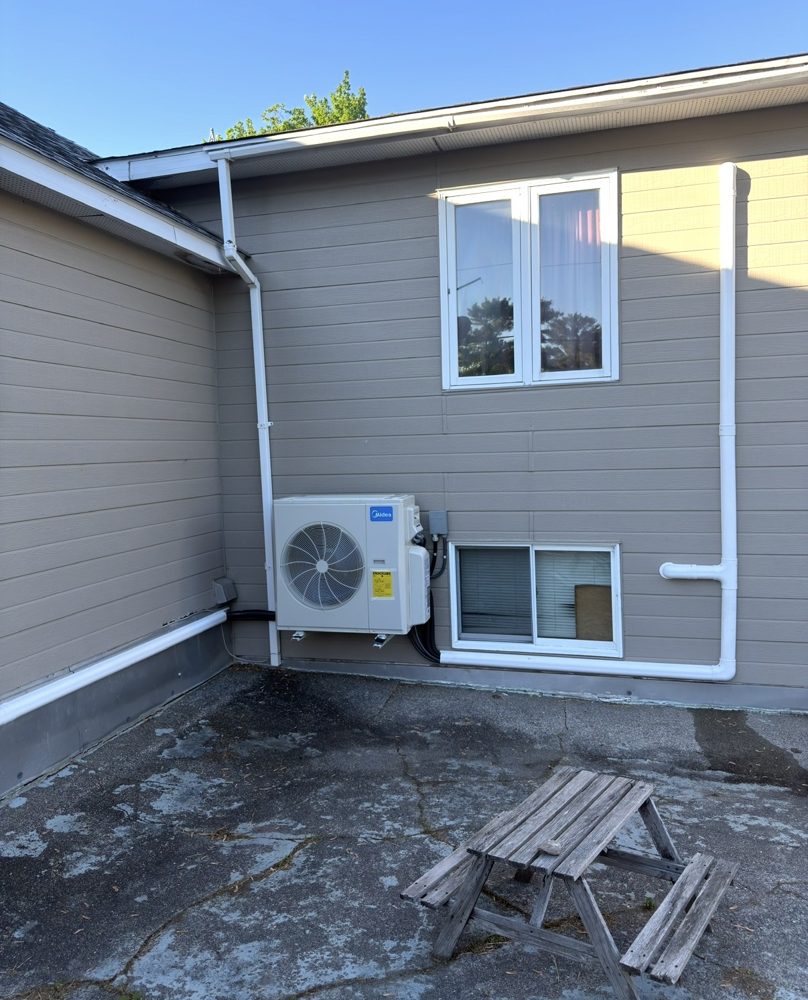
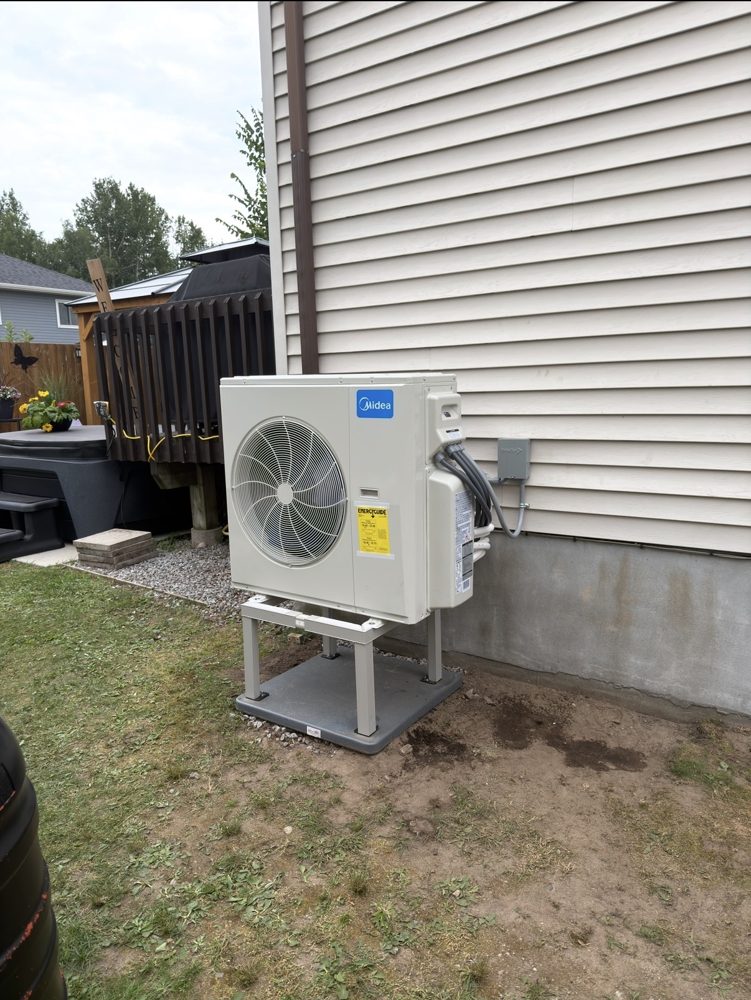
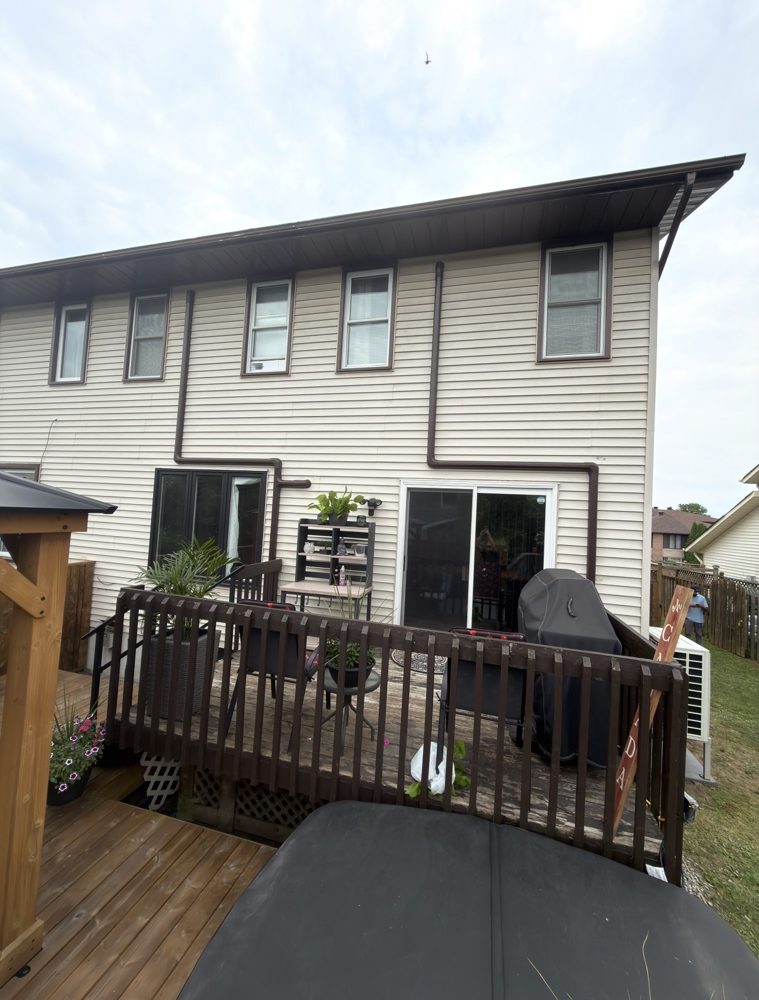
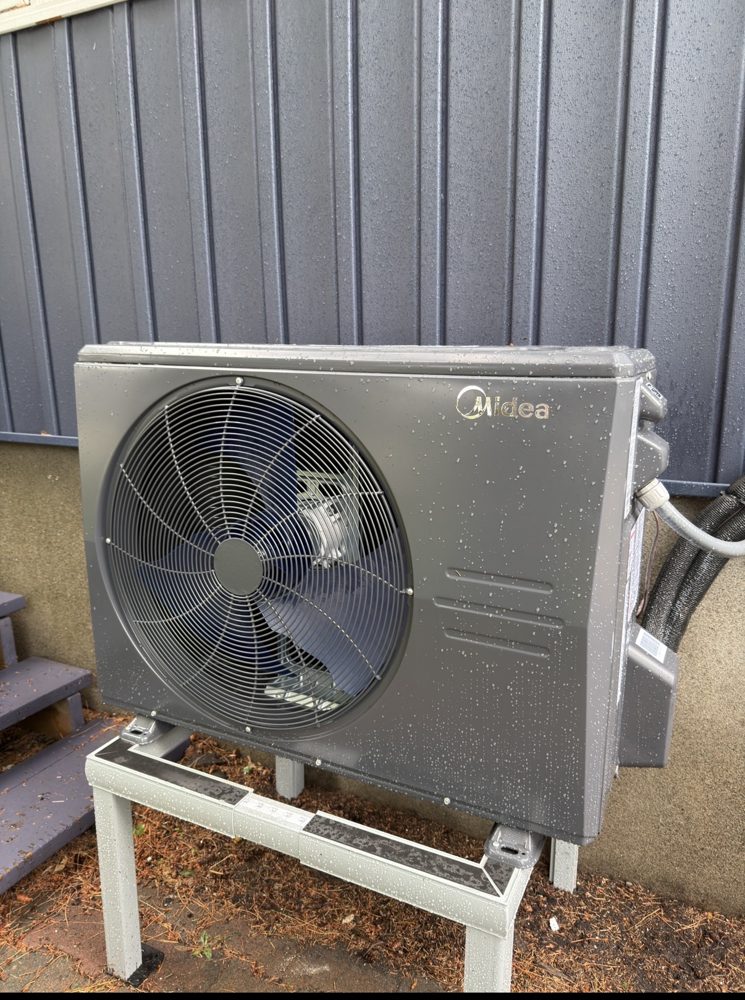
“We have baseboard heaters as well, but we barely have to turn them on anymore. We really only need them when it gets colder than -30°C, which doesn't happen very often in the North Bay area.”
Rebates may apply
Eligible homeowners may qualify for up to $7,500 for a cold-climate air source heat pump through Ontario's Home Renovation Savings program. We help you check.
Check rebate eligibilityPropane to heat pump
This homeowner switched from a propane furnace to a heat pump with a new electric air handler, for heating and cooling from one system. The home no longer heats with propane.
After the propane system was removed, the homeowner's home insurance went down too. Every insurer is different, so check with yours.
See more of our workHeat pump questions
Do heat pumps work in Northern Ontario winters?
Yes. The cold-climate heat pumps we install are rated to keep heating at outdoor temperatures down to -30°C. Heat output and efficiency drop as it gets colder, so the system has to be sized for your home, and most homes keep a backup heat source for the coldest days.
Will a heat pump work when temperatures are extremely cold?
Even far below freezing, outdoor air still contains heat energy, and a cold-climate heat pump is designed to extract it. The systems we install are rated to operate down to -30°C. As temperatures drop, the system works harder and produces less heat, which is why we plan backup heat, such as a furnace or baseboards, for the coldest days.
Can a heat pump heat my entire home?
Often, yes, when the system is sized for the home's heat loss and the heat can reach every room. Ducted systems use your existing ductwork. Ductless systems use one or more indoor heads. Layout, insulation and air leakage all play a part, which is why we assess the home first.
Can a heat pump replace my furnace?
In some homes a heat pump can be the main heating system for most or all of the year. Whether it should fully replace your furnace depends on the home, the system selected and how you want to handle the coldest days. We'll explain the options for your home.
Can I keep my existing furnace?
In many cases, yes. The heat pump handles most of your heating and the furnace takes over as backup when it's very cold. This pairing is often called a hybrid or dual-fuel system.
Can a heat pump cool my home in summer?
Yes. In summer the system reverses and moves heat from inside your home to the outdoors, the same way an air conditioner does. One system gives you both heating and cooling.
How much electricity does a heat pump use?
It depends on the system size, your home and the weather. Because a heat pump moves heat instead of creating it, it can deliver more heat energy than the electricity it uses, often two to three times as much in milder weather. Efficiency drops as outdoor temperatures fall.
Can a heat pump lower my heating costs?
It can, especially when it replaces or reduces the use of electric baseboards or other resistance heating. Your actual savings depend on your current heating system, electricity rates, home size, insulation, system sizing, thermostat settings and how you use it. We'll walk through what to expect for your home.
How long does a heat pump installation take?
Many installations are completed in one to two days. Larger homes, ducted systems or electrical upgrades can take longer. We'll give you a timeline with your quote.
Does a heat pump require maintenance?
Yes, and most of it is simple. Clean or replace filters regularly, keep the outdoor unit clear of snow, ice and debris, and have the system checked by a professional periodically so it keeps running efficiently.
What rebates may be available?
Through Ontario's Home Renovation Savings program, eligible homeowners may qualify for up to $7,500 for a cold-climate air source heat pump, based on the size of the system installed. Eligibility depends on the home, the equipment and current program requirements. See rebates.